February 9, 2026
Soil erosion is a natural process, but human activity and environmental changes have significantly increased its impact over time. When soil erodes faster than it can regenerate, it leads to the loss of fertile land, sediment buildup in waterways, structural instability, and long-term environmental damage. These effects can impact agricultural productivity, construction projects, drainage systems, and even nearby homes and infrastructure.
Understanding what causes soil erosion is the first step toward reducing its effects. By identifying risk factors early and applying proven prevention strategies, property owners, land managers, and developers can protect the land and avoid costly repairs. According to the U.S. Climate Resilience Toolkit, soil erosion occurs at an average rate of 2.32 Mg/ha/yr, with croplands being a major contributor, accounting for 44% of erosion despite making up only 17% of the land. In this article, we'll explore common causes of soil erosion and how effective prevention strategies can help preserve land stability and long-term usability.
Heavy Rainfall and Surface Runoff
One of the most common causes of soil erosion is heavy rainfall. When rain falls faster than the soil can absorb it, excess water flows across the surface instead of soaking into the ground. As this runoff moves, it picks up loose soil particles and carries them away, gradually stripping away nutrient-rich topsoil that plants rely on for healthy growth.
Sloped land is especially vulnerable to runoff-related erosion. Gravity increases the speed and force of moving water, allowing it to displace soil more easily. Over time, repeated storms can carve channels and ruts into the land, creating uneven surfaces and weakening the surrounding landscape. Managing surface water flow through grading, drainage, and water diversion techniques is essential for reducing erosion caused by intense or frequent rainfall.
Lack of Vegetation and Ground Cover
Vegetation plays a major role in stabilizing soil. Plant roots bind soil particles together below the surface, while leaves and stems absorb the impact of rainfall above ground. This natural protection slows water movement and reduces the amount of soil that becomes dislodged during storms.
When land is left bare, erosion risk increases dramatically. Construction sites, cleared lots, and overworked farmland often lack sufficient ground cover, leaving soil exposed to rain and wind. Even moderate weather events can cause noticeable soil loss in these conditions. Reestablishing vegetation through seeding, mulching, or planting native ground cover helps rebuild soil structure and offers long-term protection against erosion.
Improper Land Grading and Sloping
Land grading shapes how water moves across a property. When grading is done incorrectly, it can unintentionally direct water toward vulnerable areas or create steep slopes that accelerate runoff. Uneven surfaces and poorly planned drainage paths allow water to gain speed, increasing its erosive force.
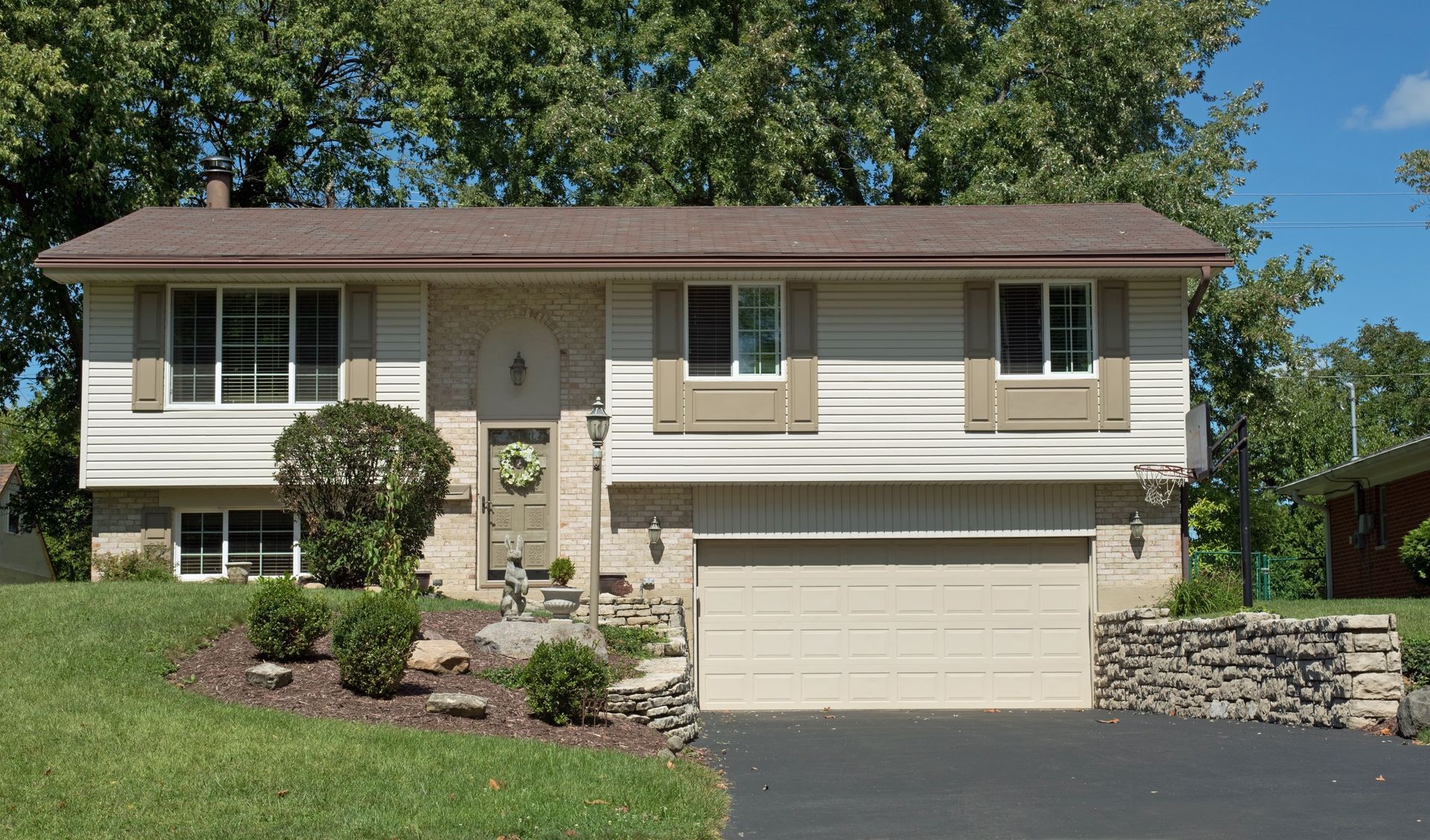
In residential and commercial settings, improper grading can cause soil movement near foundations, sidewalks, and retaining structures. Over time, this movement may lead to cracking, settling, or drainage issues that require costly repairs. Proper slope design, combined with controlled drainage channels, helps slow water flow and reduces the amount of soil displaced during storms.
Agricultural Practices and Soil Disturbance
Farming activities contribute significantly to soil erosion, particularly when fields are frequently tilled or left exposed between growing seasons. Tillage loosens soil structure, making it easier for water and wind to carry soil away. When topsoil is lost, crop yields and soil fertility can decline.
Certain farming practices increase erosion risk even further. Monocropping, limited crop rotation, and lack of organic matter weaken soil health over time. Conservation-focused methods such as contour farming, cover crops, and reduced tillage help stabilize soil while maintaining productivity. These practices improve soil structure, increase water infiltration, and reduce erosion across agricultural landscapes.
Wind Exposure in Open Areas
Wind erosion is most common in dry, open areas with loose or sandy soil. Without vegetation or physical barriers, strong winds can lift fine soil particles and transport them over long distances. This process reduces soil quality, damages crops, and contributes to dust-related air quality concerns.
Agricultural regions are especially susceptible during dry seasons or drought conditions. Windbreaks such as rows of trees, shrubs, or fencing reduce wind speed at ground level. Maintaining soil moisture and surface residue also helps soil particles stay in place, reducing wind-driven erosion over time.
Construction Activity and Site Disturbance
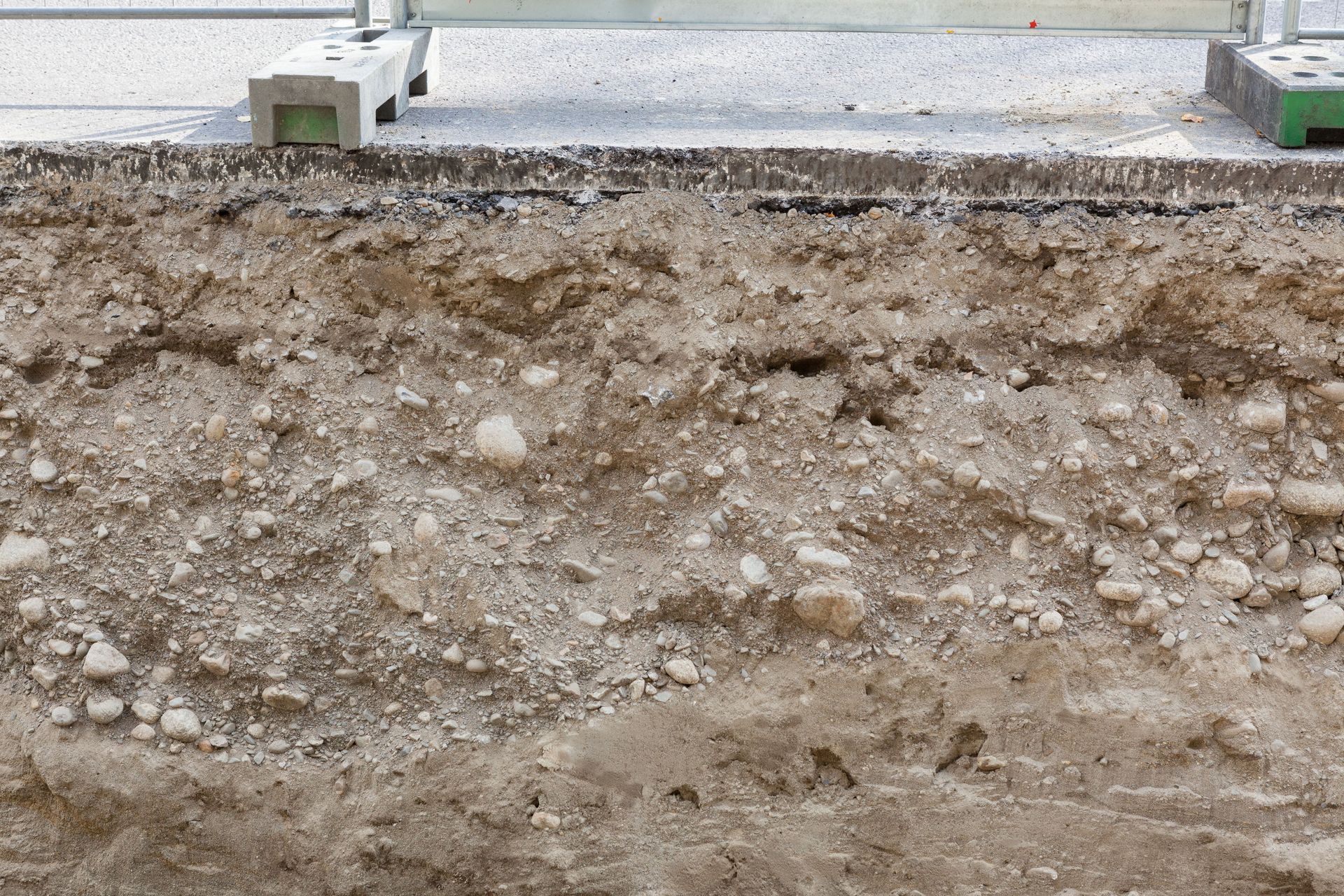
Construction sites are highly vulnerable to erosion due to extensive soil disturbance and vegetation removal. Excavation, trenching, and heavy equipment use loosen soil and compact surrounding areas, disrupting natural drainage patterns. These changes increase the likelihood of runoff and sediment displacement during rain events.
If left unmanaged, sediment from construction sites can wash into storm drains, streams, and nearby properties. This sediment buildup can damage ecosystems and violate local environmental regulations. Implementing erosion control services during and after construction helps manage soil movement, protect waterways, and keep projects compliant with environmental standards.
Poor Drainage Systems
Drainage systems play a key role in controlling how water moves across land. When drainage is inadequate or damaged, water may pool in certain areas or flow unpredictably across the surface. Standing water weakens soil structure, while uncontrolled channels can slowly cut through soil and worsen erosion.
Well-designed drainage systems guide water away from vulnerable areas and release it safely. This may include swales, culverts, downspout extensions, or subsurface drainage solutions. Regular inspection and maintenance help confirm that these systems continue to perform as intended, especially after heavy storms or seasonal changes.
Steep Slopes and Natural Topography
Some landscapes are naturally more prone to erosion due to their shape and elevation. Steep slopes increase runoff speed, giving water more energy to displace soil. In hilly or mountainous regions, erosion can occur even during light rainfall, especially where the soil is shallow or the vegetation is limited.
Slope stabilization techniques help manage erosion in challenging terrain. Terracing breaks long slopes into smaller, flatter sections that slow water movement. Retaining walls provide physical support for soil, while reinforced vegetation adds natural stability. Together, these solutions reduce erosion risk and improve long-term land usability.
Long-Term Impact of Uncontrolled Erosion
Uncontrolled soil erosion has consequences that extend beyond the immediate loss of soil. Over time, erosion can degrade water quality as sediment enters rivers, lakes, and stormwater systems. This sediment can clog drainage infrastructure, increase flooding risk, and harm aquatic habitats.
On developed properties, erosion may compromise foundations, driveways, and utility lines. In agricultural areas, repeated soil loss reduces crop productivity and increases the need for fertilizers and soil amendments. Addressing erosion early helps avoid these long-term impacts and supports sustainable land management.
Prevent Soil Erosion Through Planning and Maintenance
Effective erosion prevention begins with proper planning. Evaluating soil type, slope, drainage patterns, and land use helps identify areas at risk before problems develop. Combining structural solutions with vegetation-based methods offers the most reliable protection.
Ongoing maintenance is equally important. Vegetation needs time to establish, drainage systems require upkeep, and erosion control measures should be inspected after major weather events. Proactive maintenance reduces the chance of small issues becoming larger, more expensive problems.
If you're dealing with erosion concerns or planning a project that may impact soil stability, professional erosion control services can provide tailored solutions for your site. Taking action now helps protect your land, reduce environmental impact, and avoid costly issues in the future. Reach out to Stephens Seed and Supply, Inc to discuss erosion prevention strategies that fit your needs and long-term goals.