March 12, 2026
Soil may seem like one of the most stable elements of the natural world, but in reality, it is constantly on the move. Wind, rain, flooding, and human activity all contribute to gradual land degradation that often goes unnoticed until serious damage occurs. This is why erosion control has become such an essential topic for homeowners, developers, municipalities, and environmental advocates alike.
Failing to address erosion early can lead to property damage, environmental loss, and costly infrastructure repairs. What begins as minor soil displacement can evolve into washed-out slopes, weakened foundations, and polluted waterways. Understanding the risks — and the available solutions — empowers communities to protect both natural resources and built environments.
What Is Erosion Control and Why Is It Important?
Erosion control refers to the practice of preventing or managing the movement of soil caused by water, wind, or human disturbance. The goal is to stabilize land surfaces so that valuable topsoil remains in place and surrounding areas stay protected from sediment runoff.
At its core, erosion control combines planning, landscaping techniques, and engineered systems to slow the forces that wear away soil. This might include vegetation planting, drainage management, slope reinforcement, or protective barriers. While the concept sounds straightforward, its importance cannot be overstated.
Topsoil is one of the most valuable natural resources on any property. It supports plant life, absorbs water, and helps maintain stable ground conditions. When erosion removes this layer, the land becomes less productive and more vulnerable to further damage. Over time, unmanaged erosion can reshape entire landscapes.
Effective erosion control also plays a critical role in water quality. When soil washes into streams, lakes, and storm drains, it carries pollutants such as fertilizers, pesticides, and debris. This sedimentation harms aquatic ecosystems and increases water treatment costs for communities. Preventive measures protect both land and water resources simultaneously.
Ultimately, erosion control is important because it preserves property value, protects infrastructure, and maintains environmental health. Addressing it early is far easier — and less expensive — than repairing damage after the fact.
How Does Erosion Affect the Environment and Human Structures?
The effects of erosion extend far beyond cosmetic landscape changes. In natural environments, erosion can destroy habitats, reduce soil fertility, and alter waterways. In developed areas, it can undermine foundations, damage roads, and overwhelm drainage systems.
One of the most visible environmental impacts is the loss of vegetation. When soil washes away, plant roots lose their support system. This can trigger a chain reaction where bare ground becomes even more vulnerable to future erosion. Wildlife habitats shrink, and biodiversity declines as plant communities struggle to recover.
Waterways are especially sensitive to erosion-related sediment. Excess soil entering rivers and lakes clouds the water, reduces oxygen levels, and disrupts fish spawning areas. Over time, sediment buildup can change the shape and depth of streams, increasing flood risks for nearby communities.
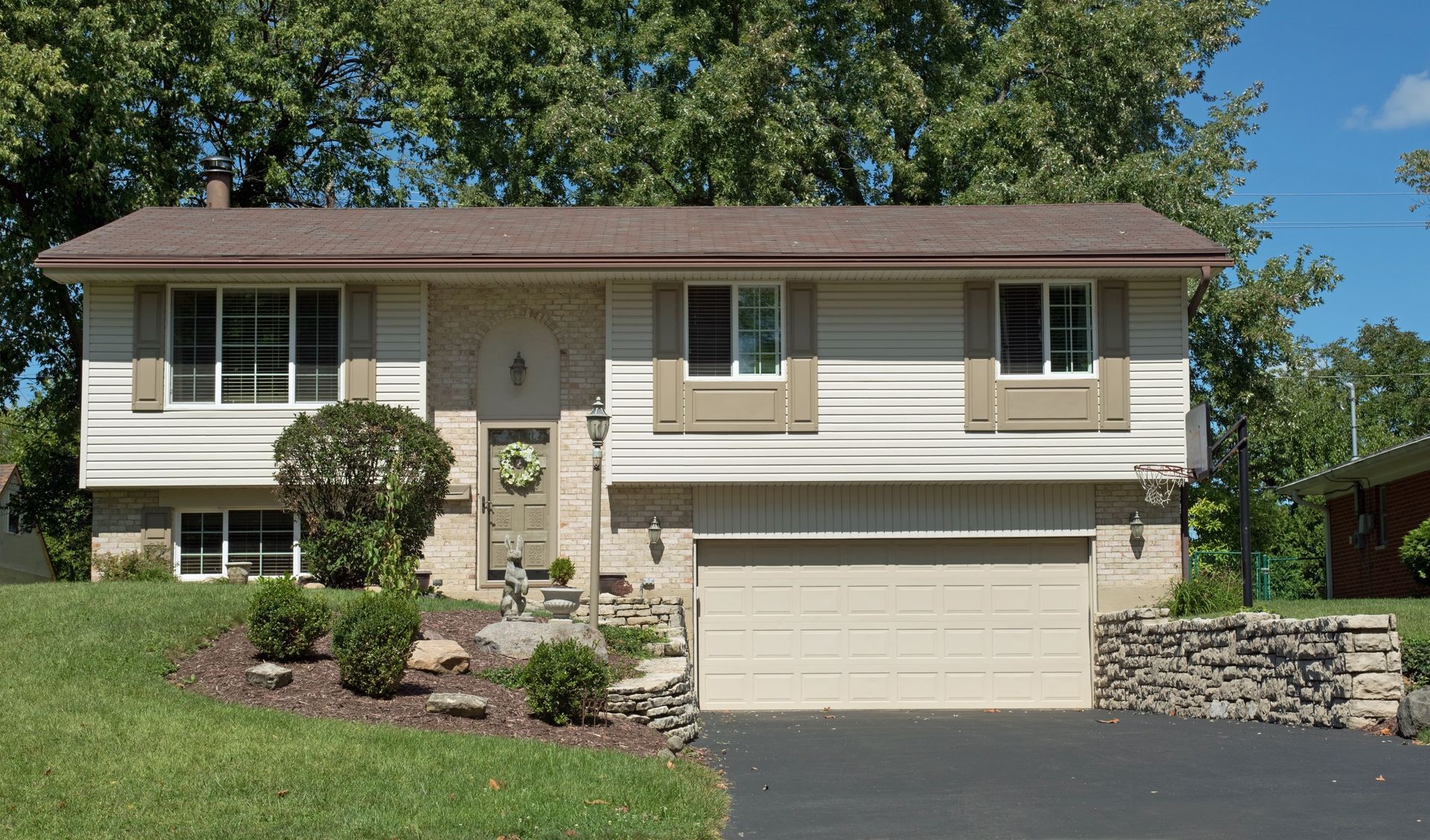
Human structures are equally at risk. Sloped properties may experience gradual soil creep that destabilizes retaining walls and foundations. Driveways and sidewalks can crack as the supporting soil shifts. In severe cases, unchecked erosion control issues can lead to partial slope failures or landslides.
Flood risk is another major concern. When soil erodes and drainage patterns change, water may flow in unintended directions. According to This Old House, around six million people in the U.S. are unaware that they reside in a flood plain. Without proper erosion control measures, these homeowners may face heightened vulnerability during heavy storms.
Even infrastructure such as roads, bridges, and stormwater systems can suffer. Sediment can clog culverts and drains, reducing their capacity and leading to localized flooding. Over time, municipalities must spend significant resources repairing preventable damage.
What Are the Most Effective Methods for Erosion Control?
Fortunately, a wide range of erosion control strategies exists to address different site conditions. The most effective approach typically combines natural solutions with engineered support systems.
Vegetation remains one of the most powerful tools available. Plant roots bind soil together, reducing the likelihood of runoff. Grass, shrubs, and deep-rooted native plants are commonly used to stabilize slopes and exposed areas. Hydroseeding is often employed for large disturbed sites where rapid ground coverage is needed.
Mulching and erosion control blankets provide short-term protection while vegetation becomes established. These materials shield bare soil from rainfall impact and help retain moisture. They are especially useful on construction sites or newly graded land.
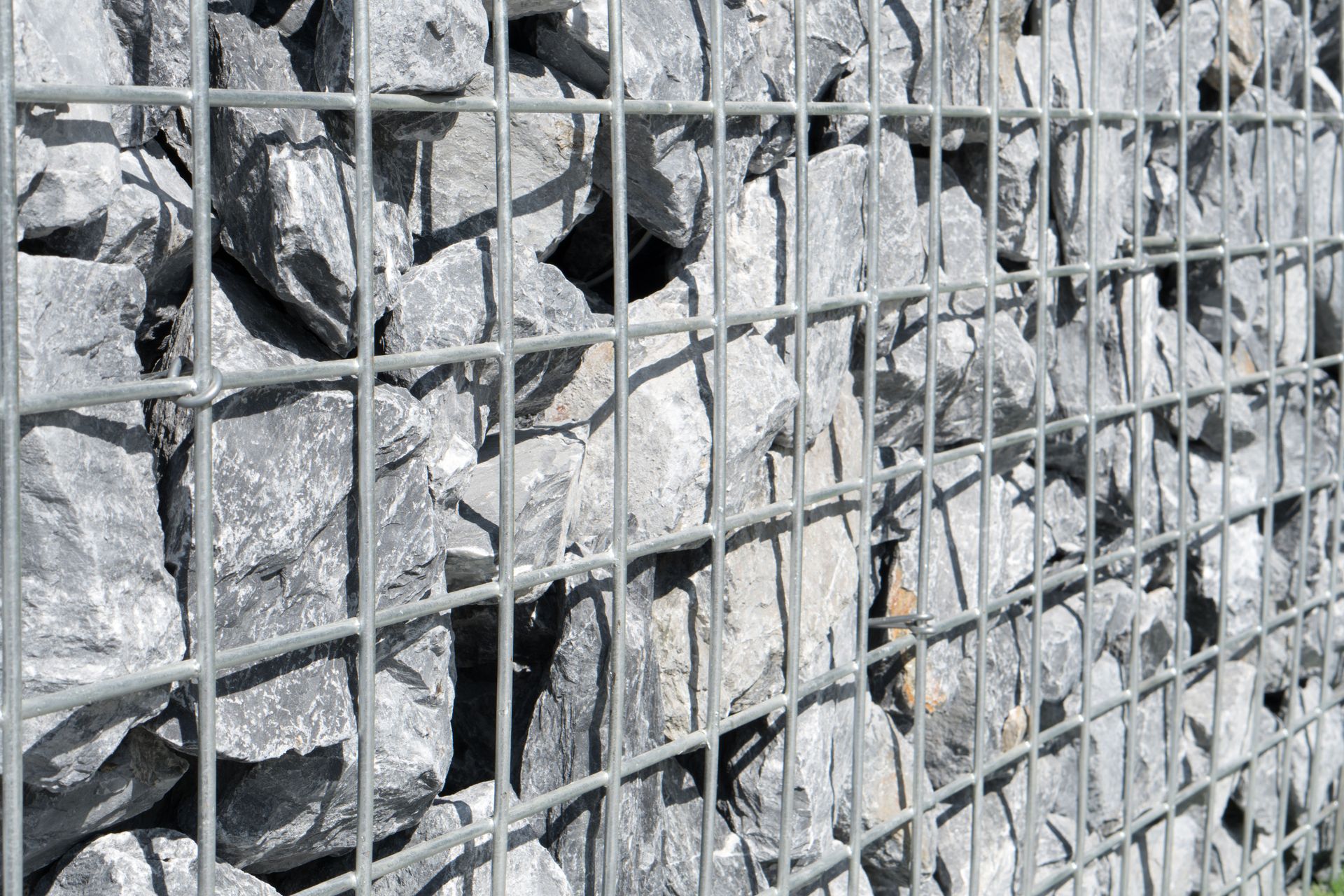
For areas with more severe slope challenges, structural solutions may be necessary. Retaining walls, riprap (rock armoring), and terracing physically hold soil in place and redirect water flow. These engineered erosion control systems are commonly used along roadways, shorelines, and steep residential properties.
Proper drainage design is another critical component. Installing swales, French drains, or channel linings helps guide water safely away from vulnerable areas. Many erosion problems begin with uncontrolled runoff, so managing water flow often resolves the root cause.
In coastal or streambank settings, bioengineering techniques are gaining popularity. These methods combine natural materials like live stakes, coir logs, and native plantings with structural support. The result is a more environmentally friendly erosion control solution that strengthens over time.
Selecting the right method depends on soil type, slope steepness, rainfall patterns, and land use. In many cases, consulting professionals ensure the most effective and durable results.
Is There a Cost to Ignoring Erosion Control?
The short answer is yes — and the costs can escalate quickly. Ignoring erosion control often leads to far greater expenses than implementing preventive measures early.
From a financial standpoint, property damage is one of the most immediate risks. Repairing a compromised foundation, replacing washed-out landscaping, or rebuilding a collapsed retaining wall can cost thousands of dollars. Insurance may not always cover damage caused by gradual land movement.
Municipalities also bear significant burdens when erosion is neglected. Sediment removal from storm drains, dredging waterways, and repairing road damage all require taxpayer funding. Preventive erosion control programs are typically far more cost-effective than repeated emergency repairs.
Environmental costs are equally serious. Loss of fertile soil reduces agricultural productivity and increases reliance on fertilizers. Damaged ecosystems may take years or decades to recover. In some cases, habitat loss becomes permanent.
There are also social and safety considerations. Increased flooding risk can threaten homes and public infrastructure. Unstable slopes pose hazards to pedestrians and vehicles. Communities that delay erosion control efforts often face higher long-term vulnerability during severe weather events.
In contrast, proactive measures offer strong returns on investment. Stabilized land retains property value, reduces maintenance costs, and supports healthier ecosystems. The earlier erosion issues are addressed, the more manageable and affordable the solution tends to be.
How Can Communities Take Action for Better Erosion Control?
While individual property owners play an important role, effective erosion control often requires coordinated community action. Local governments, developers, and residents all contribute to successful long-term outcomes.
One of the most impactful steps communities can take is adopting clear land-use policies. Construction site regulations, stormwater management standards, and slope protection requirements help prevent problems before they begin. Many municipalities now require erosion and sediment control plans for new developments.
Public education is equally important. Homeowners may not recognize early warning signs such as exposed roots, small soil channels, or pooling runoff. Community workshops and outreach campaigns can raise awareness and encourage preventive action.
Green infrastructure initiatives are another powerful tool. Expanding urban tree canopies, restoring wetlands, and promoting permeable surfaces all support natural
erosion control processes. These nature-based solutions often provide additional benefits such as improved air quality and reduced urban heat.
Partnerships between local agencies and environmental organizations can accelerate progress. Streambank restoration projects, shoreline stabilization efforts, and watershed management programs often rely on collaborative funding and volunteer support.
Erosion may work slowly, but its consequences can be severe when left unaddressed. By prioritizing erosion control through smart planning, proven techniques, and community cooperation, property owners and municipalities can prevent costly damage and protect natural resources. Taking action today helps ensure safer landscapes and stronger infrastructure for the future. If you're ready to invest in professional erosion control, reach out to the professionals at Stephens Seed and Supply, Inc. today!