May 11, 2026
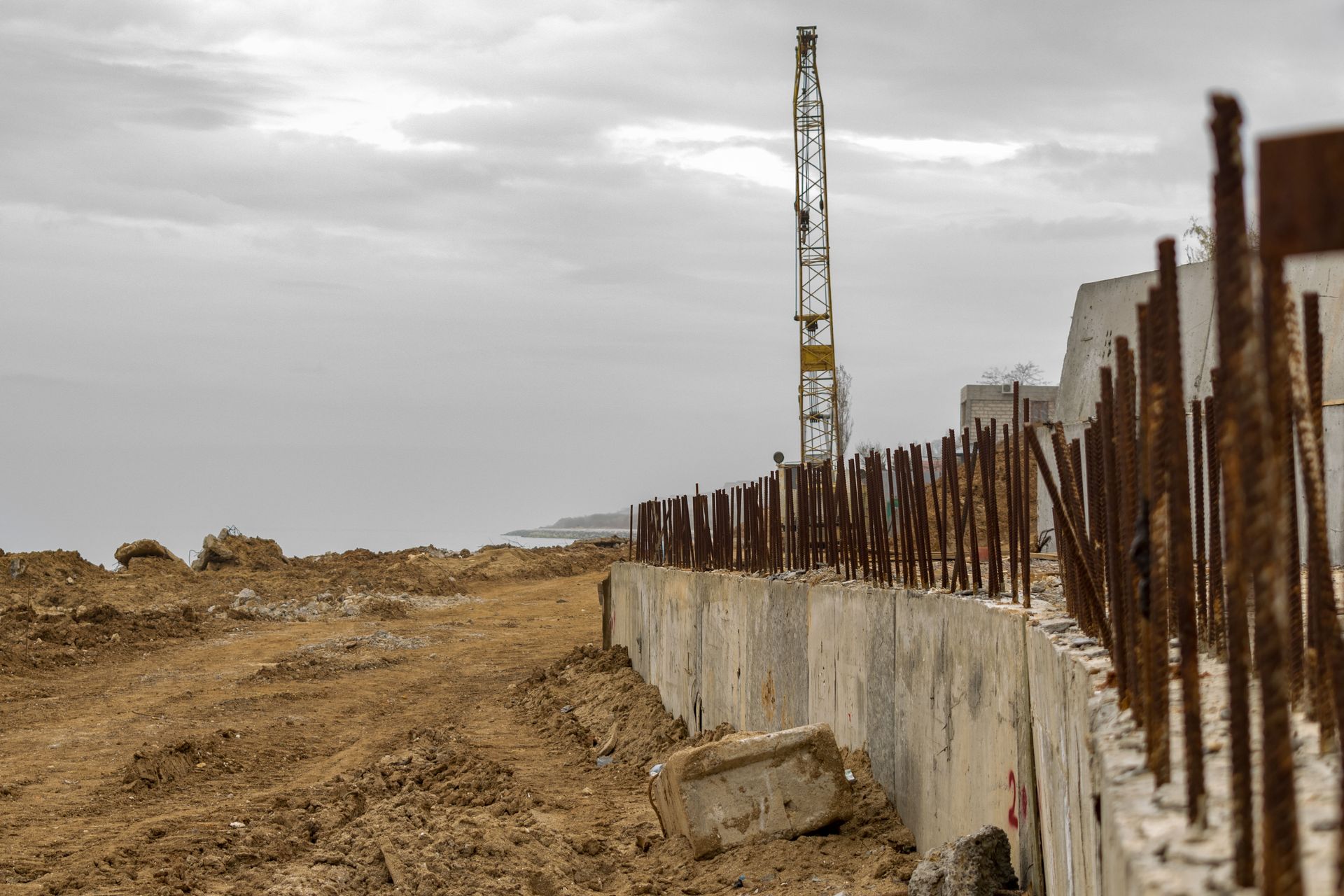
Erosion control is a critical aspect of managing new construction sites. It not only helps in preserving the environment but also ensures compliance with regulatory requirements. According to Researchnester.com, the erosion and sediment control market surpassed 3.05 billion USD in 2025. Understanding the appropriate solutions and various erosion control products can mitigate the environmental impacts associated with construction activities.
Understanding Erosion and Its Impact on Construction Sites
Definition of Erosion
Erosion is the process by which soil and rock are removed from the Earth's surface by natural forces such as wind or water flow, and then transported and deposited in other locations. It is a natural process, but human activities can accelerate it significantly. Construction sites are particularly vulnerable to erosion. This process can lead to significant loss of soil, which is a vital natural resource.
Types of Erosion
There are several types of erosion, each with distinct characteristics and impacts. Water erosion, caused by rainfall and surface runoff, is the most common and can be further categorized into sheet erosion, rill erosion, and gully erosion. Wind erosion, though less common, can also cause significant soil loss, especially in arid regions.
Understanding these types helps in identifying the specific erosion challenges at a construction site. Each type requires different control methods and specific erosion control products, making it essential to assess the site conditions accurately. Proper identification and classification are the first steps in effective erosion management.
Causes of Erosion on Construction Sites
Several factors contribute to erosion on construction sites. The primary cause is the removal of vegetation and topsoil, which leaves the soil exposed and vulnerable to erosion agents like wind and water.
Changes in land topography due to grading and excavation can alter natural water flow, increasing runoff and erosion potential. Additionally, the use of construction machinery can compact the soil, reducing its permeability and increasing surface runoff. This compaction can exacerbate erosion by preventing proper water infiltration.
Weather conditions, such as heavy rainfall or strong winds, can further aggravate these issues. Without adequate control measures and erosion control products, these factors can lead to significant soil loss, sedimentation, and environmental degradation. Understanding these causes is crucial for developing effective erosion control plans.
Assessment and Planning for Erosion Control
Site Assessment Techniques
Effective erosion control begins with a thorough site assessment. This involves evaluating the site's topography, soil type, vegetation cover, and hydrology. Understanding these factors is crucial for identifying erosion-prone areas and selecting appropriate control measures.
Site assessments often involve the use of tools such as topographic maps, soil surveys, and hydrological models. These tools help in understanding the site's characteristics and potential erosion risks. Site visits and inspections are also essential for gathering firsthand information and identifying specific challenges.
Identifying Erosion-Prone Areas
Identifying erosion-prone areas is a critical aspect of site assessment. These are areas where the risk of erosion is high due to factors such as steep slopes, loose soil, or a lack of vegetation cover. Identifying these areas allows for targeted erosion control products to be implemented.
Erosion-prone areas can be identified through visual inspection, soil testing, and analysis of site topography. GIS (Geographic Information Systems) can also be used to map and analyze these areas. Identifying these areas early in the planning process is essential for effective erosion control and site management.
Integrating Erosion Control in Site Planning
Erosion control should be an integral part of site planning and design. This involves incorporating control measures into the overall site layout and construction schedule. Early integration allows for proactive management of erosion risks and minimizes the need for reactive measures.
Site planning should consider factors such as natural drainage patterns, vegetation retention, and soil stabilization. Creating buffer zones and preserving natural features can help reduce erosion potential. Erosion control measures and erosion control products should be designed to work in harmony with the site's natural characteristics.
Temporary Erosion Control Solutions
Silt Fences
Silt fences are a common temporary erosion control solution used on construction sites. They consist of a geotextile fabric stretched between wooden or metal stakes, creating a barrier that traps sediment while allowing water to flow through. Silt fences are typically installed around the perimeter of a construction site or in areas where runoff is likely to occur.
The primary function of silt fences is to prevent sediment from leaving the construction site and entering nearby water bodies. They are particularly effective in areas with gentle slopes and moderate runoff. However, they require regular maintenance to ensure their effectiveness, including removing accumulated sediment and checking for damage or gaps.
Erosion Control Blankets
Erosion control blankets, also known as erosion control mats, are another temporary solution used to stabilize soil and prevent erosion. These blankets are made from natural or synthetic fibers and are designed to hold soil in place while vegetation establishes. They are commonly used on slopes, embankments, and other areas prone to erosion.
The blankets work by reducing the impact of raindrops on the soil surface and slowing down water runoff. This helps to prevent soil displacement and allows seeds to take root, promoting vegetation growth. These types of erosion control products are available in various materials, including straw, coconut fiber, and synthetic polymers, each offering different levels of durability and effectiveness.
Mulching Techniques
Mulching is a simple yet effective technique for temporary erosion control. It involves applying a layer of organic or inorganic material over the soil surface to protect it from erosion and promote moisture retention. Mulching materials include straw, wood chips, bark, and even gravel or crushed stone.
The primary benefit of mulching is its ability to reduce the impact of raindrops on the soil, preventing soil displacement and erosion. Mulch also helps to retain soil moisture, creating a favorable environment for seed germination and plant growth. Additionally, organic mulches can improve soil fertility as they decompose, providing nutrients to the soil.
Permanent Erosion Control Methods
Vegetative Cover and Planting
Establishing vegetative cover is one of the most effective permanent erosion control methods. Vegetation stabilizes the soil, reduces runoff velocity, and promotes water infiltration. Plant roots bind the soil, preventing displacement and erosion.
Vegetative cover can be established through seeding, planting, or natural regeneration. The choice of vegetation depends on site conditions, climate, and project goals. Native plants are often preferred for their adaptability and ecological benefits.
Retaining Walls and Terracing
Retaining walls and terracing are structural solutions used to control erosion on steep slopes or unstable soil. Retaining walls are constructed to hold back soil and create a stable slope, while terracing involves creating a series of flat platforms or steps on a slope.
Retaining walls can be made from various materials, including concrete, stone, or wood. They provide structural stability and prevent soil movement. Terracing reduces runoff velocity and promotes water infiltration, making it an effective erosion control technique on sloped terrain.
Riprap and Gabions
Riprap and gabions are commonly used erosion control methods in areas with high water flow or wave action. Riprap consists of large stones or rocks placed along shorelines, riverbanks, or slopes to protect against erosion. Gabions are wire mesh baskets filled with rocks or stones, used to stabilize slopes and prevent erosion.
Riprap absorbs and deflects the energy of flowing water, reducing erosion potential. It is effective in areas with high water velocity or wave action. Gabions provide structural stability and can be used to create retaining walls or channel linings.
Implementing a combination of temporary and permanent erosion control measures, alongside the right erosion control products, is vital for maintaining the structural and environmental integrity of any construction project. By prioritizing thorough site assessments and integrated planning, developers can effectively stabilize soil and protect local water bodies from harmful sedimentation. Adopting these professional standards not only ensures regulatory compliance but also fosters long-term ecological sustainability for the surrounding landscape. Contact Stephens Seed and Supply, Inc. today for expert guidance and high-quality erosion control products.