May 13, 2026
Soil erosion is a gradual but powerful force that can reshape landscapes, damage property, and harm the environment. Whether caused by wind, water, or human activity, erosion strips away valuable topsoil that supports plant life and stabilizes the ground. For homeowners, business owners, and land managers, this can lead to uneven terrain, poor drainage, and costly repairs over time. Left unchecked, erosion can even weaken structural foundations and reduce the usability of outdoor spaces.
Fortunately, strategic landscaping offers an effective and visually appealing way to combat erosion while enhancing the overall look and functionality of a property. By combining smart design with the right materials, landscaping can help control water flow, stabilize soil, and prevent long-term damage.
Identify the Causes of Soil Erosion
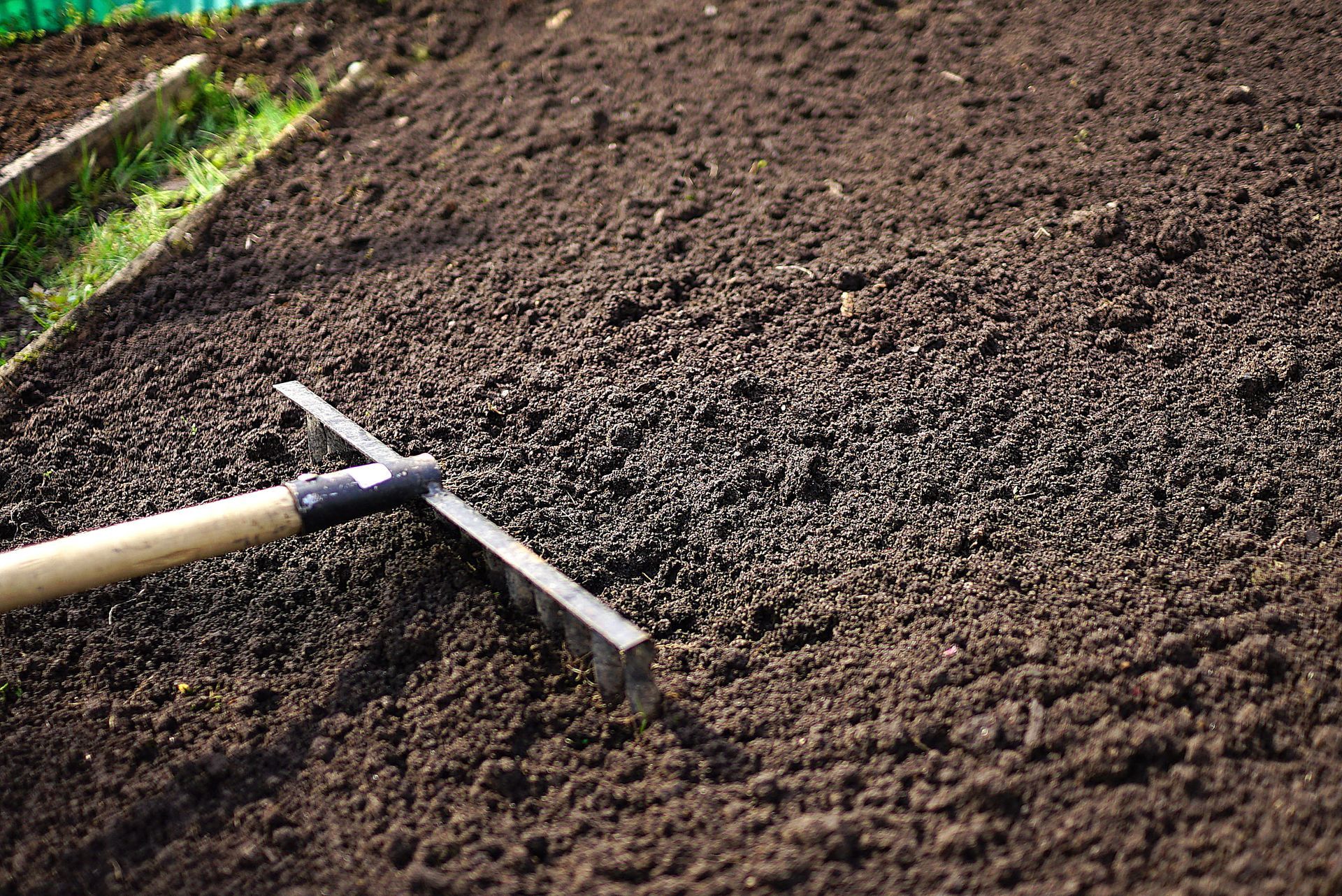
Erosion occurs when natural forces like rain, wind, and runoff displace soil particles. While this is a natural process, certain conditions can accelerate it significantly. Bare soil, steep slopes, and compacted ground are especially vulnerable because they lack the structure needed to hold soil in place. Heavy rainfall can quickly wash away exposed soil, while strong winds can carry fine particles across open areas.
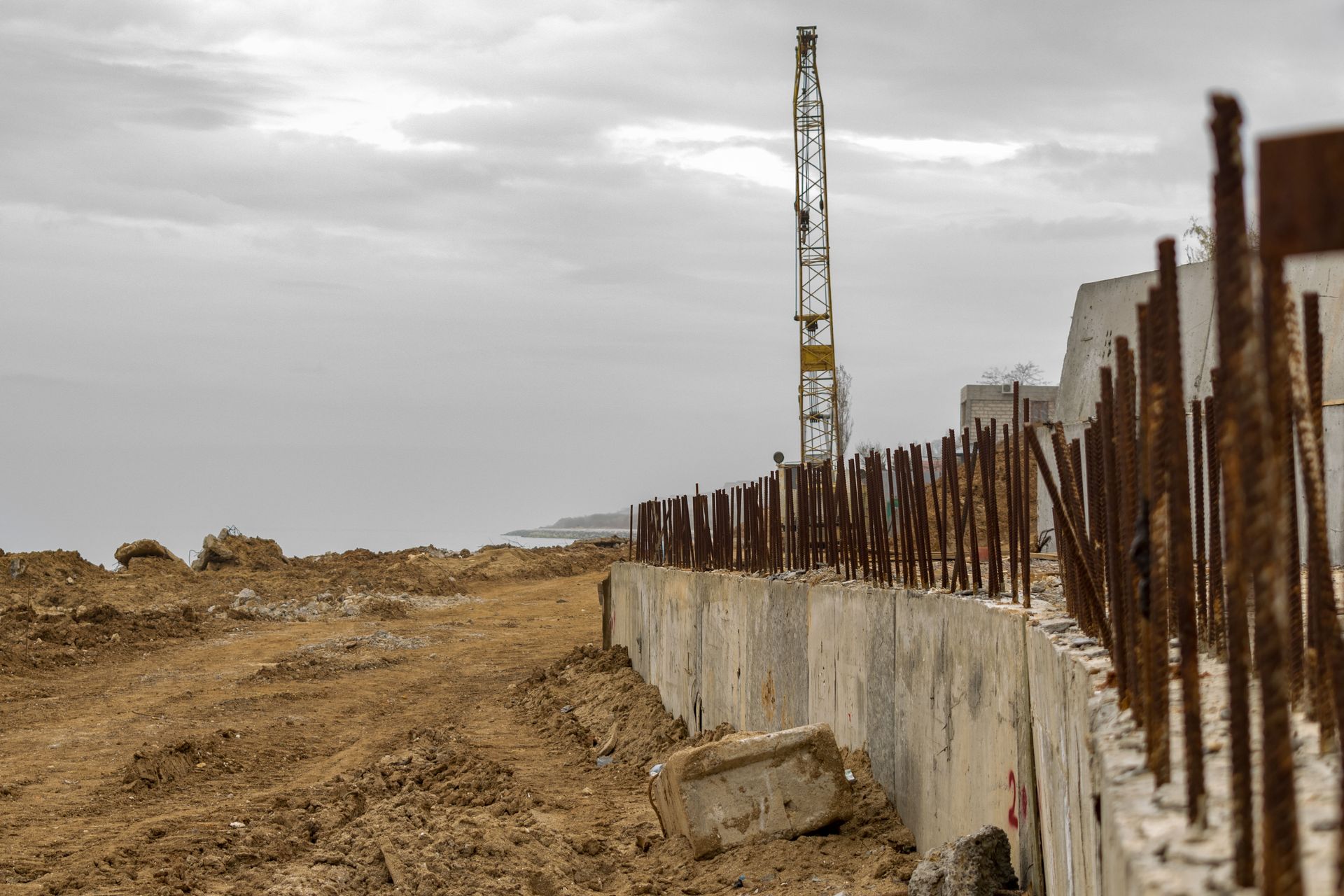
Human activity also plays a major role. Construction, improper grading, and overwatering can all disrupt the natural balance of soil and vegetation. Without proper planning, these actions can create pathways for water to flow unchecked, leading to rapid erosion.
Landscaping addresses these issues by creating a system that works with the environment instead of against it. By using high-quality landscaping products, property owners can reinforce soil structure and reduce the likelihood of erosion. These materials are specifically designed to support stability, improve drainage, and ensure long-term effectiveness in a variety of conditions.
Use Plants to Anchor the Soil
One of the most natural and effective ways to prevent erosion is through vegetation. Plants act as anchors, with their root systems binding soil together and preventing it from being easily displaced. The more extensive the root system, the stronger the soil becomes.
Grass is often the first line of defense, providing a dense network of roots that hold the top layer of soil in place. Shrubs and trees go even deeper, creating a multi-layered support system that stabilizes the ground from multiple levels. Native plants are especially beneficial because they are adapted to local conditions and typically require less maintenance.
To maximize effectiveness, vegetation should be paired with supportive landscaping products such as mulch or soil amendments. These additions help retain moisture, reduce surface runoff, and protect roots during extreme weather. Together, plants and these materials form a natural barrier that significantly slows the erosion process while enhancing the overall health of the landscape.
Improve Drainage to Reduce Runoff
Water is one of the primary drivers of erosion, making proper drainage essential for any landscape design. When water is allowed to accumulate or flow unchecked, it gains the force needed to carry soil away. Over time, this can create channels, washouts, and uneven surfaces that are difficult and expensive to repair.
Effective landscaping focuses on directing water safely through and away from vulnerable areas. Techniques such as grading, swales, and drainage systems help control the flow of water and reduce its impact on the soil. These features are especially important in areas with heavy rainfall or poor natural drainage.
Incorporating specialized landscaping products like gravel, permeable pavers, and drainage fabrics enhances these systems. These materials allow water to pass through while keeping soil in place, creating a balanced environment where moisture is managed without causing damage.
Install Hardscapes for Stability
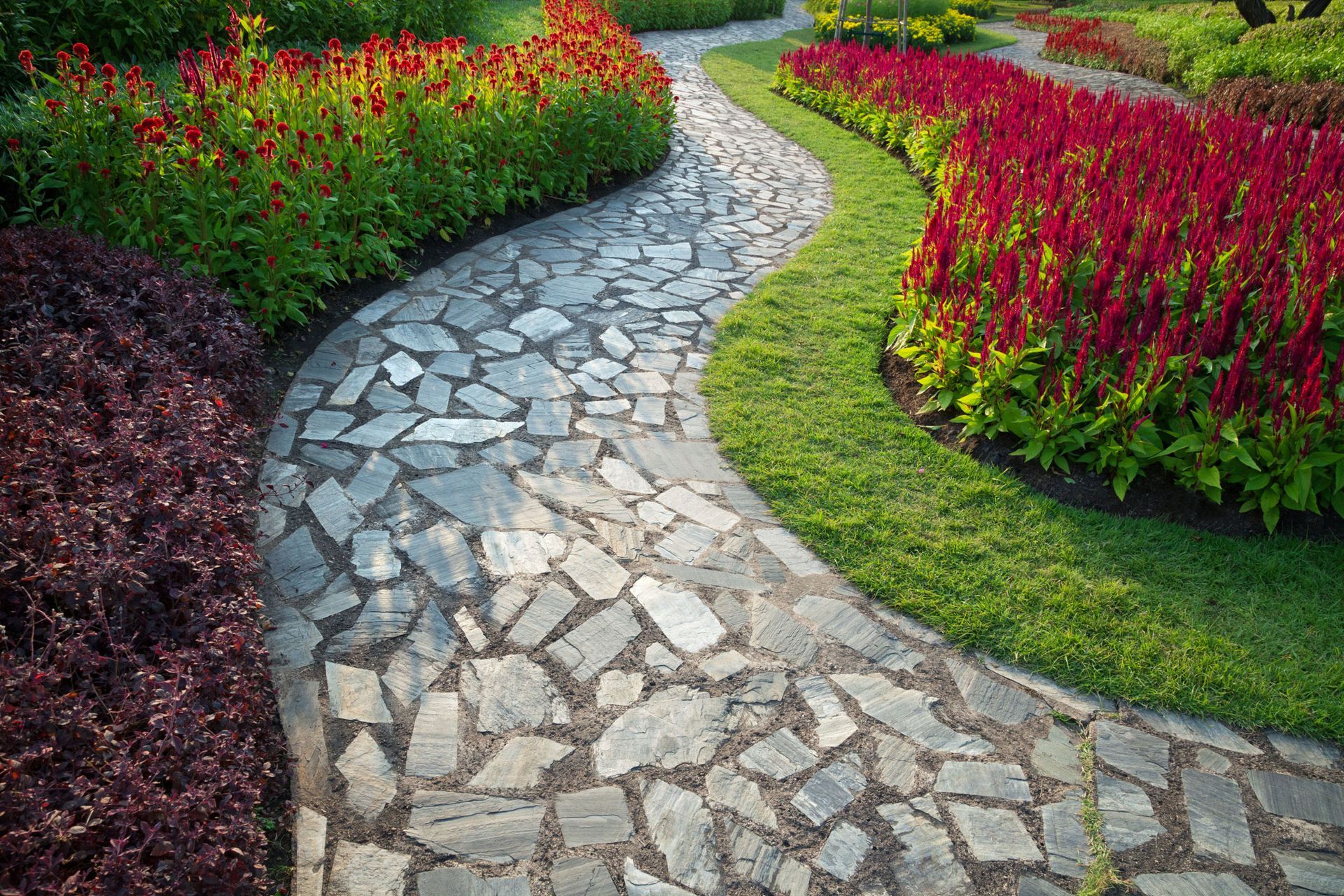
Hardscaping elements provide structural support that can greatly reduce erosion, particularly in areas with slopes or heavy foot traffic. Features such as retaining walls, pathways, and edging act as physical barriers that prevent soil from shifting or washing away.
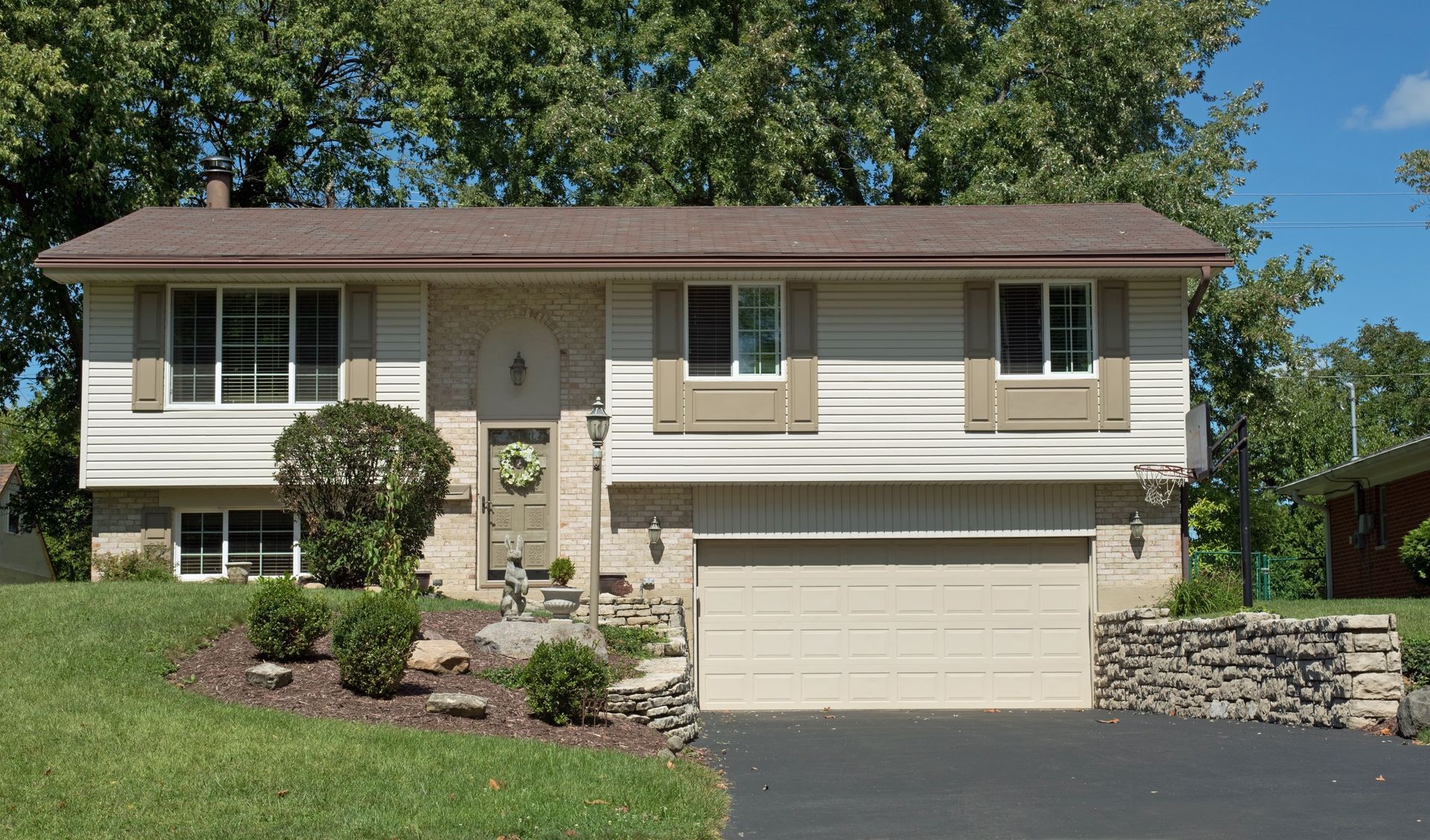
Retaining walls are especially effective because they hold soil in place while also creating level surfaces that are easier to manage. These structures can be built using a variety of materials, including stone, concrete, and timber, allowing them to blend seamlessly with the surrounding landscape.
To ensure long-term durability, hardscapes should be installed using high-quality landscaping products that provide a stable foundation. Compacted base materials, geotextiles, and reinforcement systems all contribute to the strength and longevity of these features. When properly designed and installed, hardscaping not only prevents erosion but also enhances the visual appeal and usability of outdoor spaces.
Apply Mulch and Ground Cover Solutions
Mulch is one of the simplest yet most effective tools for controlling erosion. By covering exposed soil, mulch reduces the impact of raindrops and slows down water runoff. This helps prevent soil from being displaced while also maintaining moisture levels that support plant growth.
Organic mulch, such as wood chips or bark, offers the added benefit of improving soil quality as it decomposes. Over time, it enriches the soil with nutrients, creating a healthier environment for plants. Inorganic options, such as stone or rubber mulch, provide long-lasting coverage and require less maintenance.
In areas that need additional protection, erosion control blankets and mats can be used. These landscaping products are particularly useful on slopes or newly planted areas where vegetation has not yet fully established. They hold soil in place while allowing plants to grow through them, offering both immediate and long-term benefits.
Design Terraces for Sloped Areas
Sloped landscapes present unique challenges when it comes to erosion control. Water naturally flows downhill, gaining speed and force as it moves. Without proper intervention, this can lead to significant soil loss and structural instability.
Terracing is an effective solution that transforms a steep slope into a series of flat, manageable levels. Each level acts as a barrier that slows down water flow and allows it to soak into the ground rather than washing soil away. This not only reduces erosion but also creates usable space for planting and outdoor activities.
Building terraces requires careful planning and durable landscaping materials such as retaining blocks, stone, or timber. These materials provide the strength needed to hold each level in place while ensuring long-term stability. Properly designed terraces can turn a challenging landscape into a functional and visually appealing feature that enhances both form and function.
Understand the Environmental Impact of Erosion Control
Erosion is not just a localized issue—it has far-reaching environmental consequences. When soil is lost, it often ends up in rivers, lakes, and other waterways, where it can disrupt ecosystems and reduce water quality. This sediment buildup can harm aquatic life and increase the risk of flooding.
On a global scale, the impact is even more significant. According to the UN, the world loses the equivalent of one soccer pitch (football field) of soil to erosion every five seconds. This staggering statistic highlights the urgency of addressing erosion at every level, from individual properties to large-scale land management efforts.
By incorporating erosion control measures into landscaping, individuals can play a meaningful role in protecting the environment. Using sustainable landscaping products further supports this effort by minimizing environmental impact while maximizing effectiveness.
Landscaping is far more than a way to enhance curb appeal—it is a powerful and practical solution for slowing erosion and protecting valuable soil. Through the use of vegetation, proper drainage, hardscaping, mulch, and terracing, property owners can create landscapes that are both beautiful and resilient. Each element works together to reduce soil displacement, manage water flow, and maintain long-term stability. By investing in thoughtful design and high-quality landscaping products, you can safeguard your property while contributing to a healthier environment. If you are ready to take proactive steps toward erosion control and long-lasting landscape performance, contact Stephens Seed and Supply, Inc. today to get started.